
What is Regenerative Injection Therapy? Its Benefits & How It Works

About 20% of adults worldwide are affected by a major global issue, i.e., chronic pain, and conventional treatments don't always get to the root of the problem. Pain that won't quit is one of the most frustrating puzzles in healthcare. This is where Regenerative Injection Therapy comes in. It's not a new fad. It's a growing field built on a simple idea: nerves and tissues can heal themselves if you give them the right nudge. For healthcare providers looking to expand their clinical toolkit, understanding this approach opens the door to a more complete, patient-centered practice.
At Learn Neural Therapy, we teach exactly this. So let's break down what regenerative injection therapy actually is, how it works, and why so many providers are adding it to their practice.
What is Regenerative Injection Therapy?
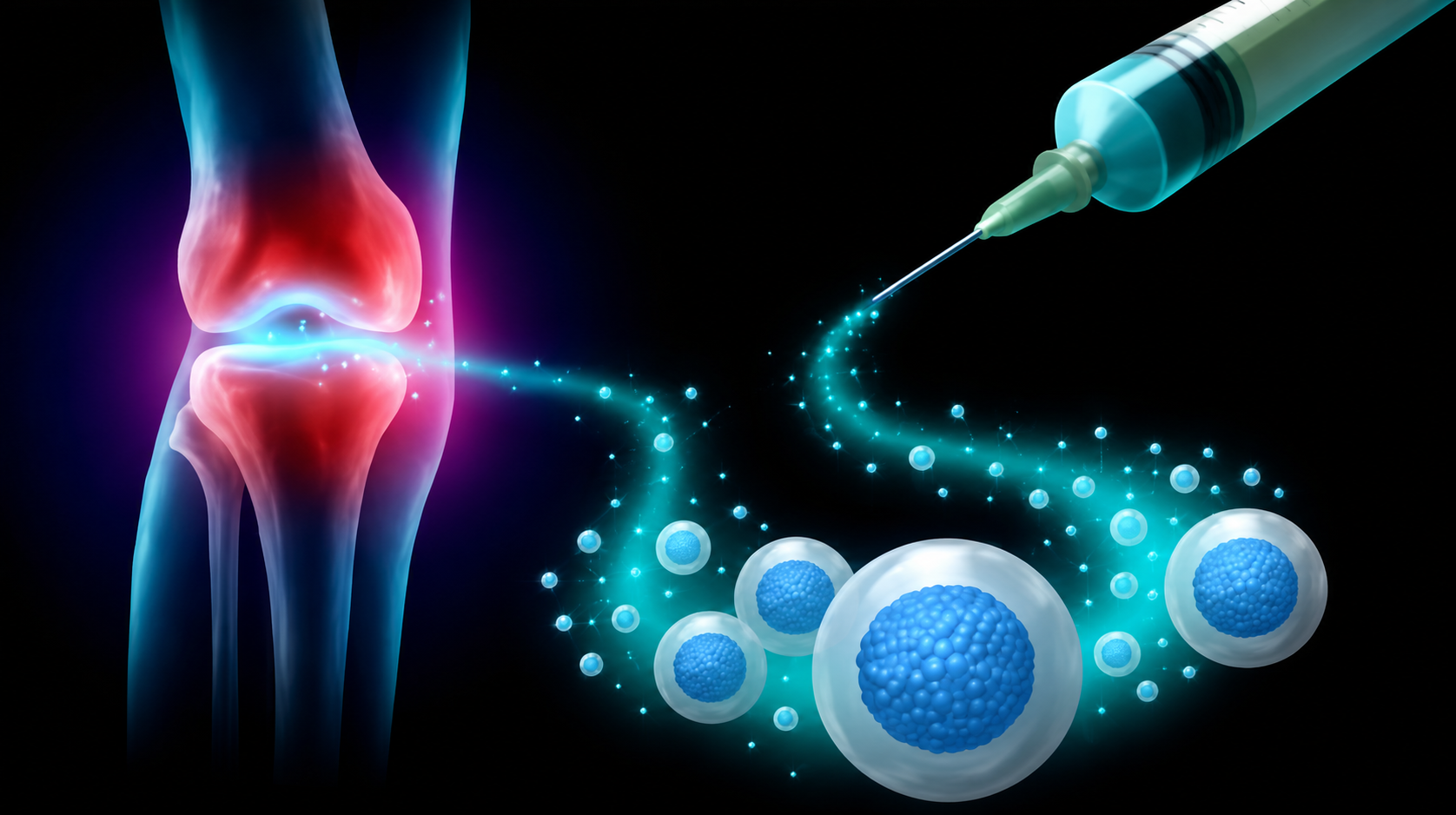
Regenerative Injection Therapy, shortened to RIT, is a group of injection-based treatments that help the body repair itself. Instead of masking pain, these techniques focus on what is really causing it. This could be a scar affecting nerve signals, an irritated nerve close to the skin, or tissue that didn't heal properly after an injury.
RIT isn't just one treatment; it's a whole family of them. Some of the better-known subtypes include:
Prolotherapy: injecting a mild irritant solution (usually dextrose) into weak or damaged ligaments and tendons to trigger the body's natural repair response.
PRP (Platelet-Rich Plasma) Therapy: using a concentrated dose of the patient's own platelets to speed up healing in injured tissue.
Stem Cell Therapy: introducing regenerative cells into damaged areas to support tissue repair at a deeper level.
Neural Therapy and Perineural Injection Therapy: the nerve-focused techniques we'll dig into throughout this blog.
Here's why this whole category is worth paying attention to: Painkillers and surgery don't actually fix anything. Painkillers mute the pain signal for a few hours, and surgery removes or repairs a structure without addressing why it broke down in the first place.
Regenerative injection therapy takes a different route entirely; it works with the body, giving damaged nerves and tissues what they need to heal on their own. No masking, no cutting. Just triggering the repair process that's already built into the body.
How Does Regenerative Injection Therapy Work?
Every time tissue gets injured, the body already knows how to heal it. The problem is, sometimes that healing process stalls out before it finishes the job. Regenerative injection therapy basically gives the body a nudge to finish what it started. Here's the short version of what happens inside the body:
Irritation: A small, controlled injection (anesthetic, dextrose, PRP, or another regenerative solution) is introduced at the injury or nerve site.
Immune Response: The body notices this and sends healing cells rushing to the area, the same way it would with any new injury.
Nerve Reset: For Neural therapy treatment specifically, faulty nerve signals get interrupted and reset, calming down the pain response.
Repair: Blood flow increases, collagen builds, and damaged tissue starts rebuilding itself.
Follow-Up: Because healing takes time, additional sessions reinforce the repair process until it's complete.
How is the Treatment Performed?
So what actually happens in the room? It depends a bit on which technique is being used, but here's a general idea:
For neural therapy and perineural injections, the provider uses a thin needle to deliver a small amount of anesthetic or dextrose solution just under the skin or near a specific nerve. Many providers use ultrasound guidance to make sure the needle lands exactly where it needs to, which keeps things precise and safe.
For PRP or stem cell therapy, the process starts a bit differently. A small blood draw, which then goes into a centrifuge to separate out the platelets or regenerative cells. That concentrated solution is then injected back into the injured area, again guided by ultrasound for accuracy.
Either way, most sessions take well under an hour, and patients are usually up and walking out the door the same day. No downtime, no hospital stay; just a quick visit that fits into a normal day.
Is It Painful?
It's not nothing, but it's nowhere near as bad as people expect.
Most patients describe the sensation as similar to a regular injection or, at most, a mosquito bite that fades within a minute or two. Perineural injections in particular are shallow and use very fine needles, so discomfort is minimal. Some areas may feel a bit more sensitive than others, but it's brief and most patients say the anticipation was worse than the actual injection.
How Many Sessions/Injections Are Needed?
This is where patience really pays off. Most patients need a series of sessions rather than just one; typically somewhere between 3 and 6 visits, spaced a week or two apart, though this varies depending on the condition and how the body responds.
Why not just one session? Because healing takes time, and chronic pain comes from more than one trouble spot. Each visit builds on the last, reinforcing the repair process until the results stick. Some patients notice improvement after the first or second session, while others need the full series before feeling a real difference.
Either way, it's a gradual process, not an overnight fix but that's exactly what makes the results last.
The Benefits of Regenerative Injection Therapy
By now, you're probably wondering why this approach has so many providers and patients on board. Here's the honest breakdown of what makes it worth considering:
Minimally Invasive: No scalpels, no operating room, no general anesthesia. Just a needle and a quick office visit.
Uses the Body's Own Healing Power: Rather than introducing something foreign or artificial, these techniques work with the body's natural repair systems already in place.
Targets the Root Cause: Instead of numbing pain temporarily, regenerative injection therapy goes after the actual source: irritated nerves, weak tissue, or old scars still causing trouble.
Shorter Recovery Time: Most patients are back to their normal routine the same day, with little to no downtime compared to surgical recovery that can take weeks or months.
Fewer Risks Than Surgery: No incisions mean a much lower risk of infection, scarring, or surgical complications.
Can Delay or Prevent Surgery: For many patients, especially those with joint or tendon issues, these injections can push off the need for a more invasive procedure down the road.
Personalized to Each Patient: Treatment plans are built around the specific nerves, tissues, or trouble spots causing the problem, not a one-size-fits-all protocol.
At the end of the day, that last point might matter most. No two patients hurt for the same reason, so no two treatment plans should look identical either.
What Conditions Can Be Treated with Regenerative Injection Therapy?
Chronic pain shows up in a lot of different places, and regenerative injection therapy has a surprisingly wide reach. Some of the most common conditions patients seek treatment for include:
Joint & Bone Conditions
Osteoarthritis (knee, hip, shoulder, ankle)
Degenerative joint disease
Joint instability/laxity
Tendon & Ligament Injuries
Tennis elbow (lateral epicondylitis)
Golfer's elbow (medial epicondylitis)
Rotator cuff tendinopathy/tears (partial)
Achilles tendinopathy
Patellar tendinopathy (jumper's knee)
Ligament sprains (ACL, MCL partial injuries)
Spine & Back Conditions
Chronic low back pain
Degenerative disc disease
Facet joint pain
Spinal instability
Sports & Muscle Injuries
Muscle strains/tears
Hamstring injuries
Chronic sports-related soft tissue injuries
Other Musculoskeletal Conditions
Plantar fasciitis
Carpal tunnel syndrome (mild-moderate)
Chronic tendon/ligament laxity
Post-surgical joint pain
Does It Really Work? What Does the Science Say?
The research is growing, and it backs up what providers see in the clinic. A randomized controlled trial published in the Mayo Clinic Proceedings found that dextrose injections led to a meaningful six-month improvement in carpal tunnel syndrome symptoms compared to standard treatment.
Similarly, a study in the Annals of Family Medicine found that dextrose prolotherapy significantly improved knee osteoarthritis symptoms in a controlled trial. It's not guesswork — it's backed by real clinical data.
Are There Any Risks or Side Effects?
Like any injection-based treatment, regenerative injection therapy isn't completely risk-free, but it's considered very safe overall. Most patients experience mild soreness, slight bruising, or temporary redness at the injection site, usually gone within a day or two.
Rare risks include infection or nerve irritation, which proper technique and training minimize. It's generally not recommended for pregnant patients, those with active infections, bleeding disorders, or certain allergies to injected solutions.
A quick health screening before treatment helps rule out these concerns early.
Who Is a Good Candidate?
This treatment tends to work best for people with chronic pain that hasn't improved with rest, physical therapy, or medication, especially pain linked to old injuries, nerve irritation, or joint wear.
Good candidates are generally in reasonably good health and want to avoid surgery if possible. It may not be the right fit for those with active infections, certain bleeding disorders, pregnancy, or severe structural damage requiring surgical repair. A proper evaluation from a trained provider is the best way to know for sure.
Final Thoughts
Regenerative injection therapy isn't about masking pain for a few hours. It's about fixing the signal that's causing it in the first place. For providers who want to provide patients with something that actually lasts, learning neural therapy and perineural injection techniques is one of the smartest additions you can make to your practice.
If you want practical, hands-on training taught by experts who use these techniques every day, Learn Neural Therapy can help you. Check out our upcoming in-person and virtual courses. Choose the format that works best for you and start developing skills that your patients will truly appreciate.
Your next patient with "nothing else worked" pain is waiting. Let's make sure you're ready for them!
Faq:
Q1: What is Regenerative Injection Therapy?
Regenerative Injection Therapy is a treatment that uses targeted injections to help your body heal naturally. Instead of only reducing pain or inflammation, it helps repair damaged ligaments, tendons, joints, and nerves. Common treatments include Prolotherapy and Perineural Injection Therapy (PIT).
Q2: Does Regenerative Injection Therapy Work?
Yes, it can be effective for many people with chronic pain. It is often recommended when physical therapy, medications, or cortisone injections have not provided lasting relief. Results vary based on your condition and the experience of your provider.
Q3: How Much Does Regenerative Injection Therapy Cost?
The cost depends on your location, your provider, and the number of treatments you need. Most people need 3 to 6 sessions for the best results. Since insurance may not cover this treatment, ask your provider about pricing and payment options before starting.
Q4: What Conditions Can Regenerative Injection Therapy Treat?
Regenerative Injection Therapy may help treat a variety of conditions, including joint pain, ligament injuries, tendon problems, nerve pain, arthritis, back pain, neck pain, and sports injuries. Your provider can determine if this treatment is right for your condition.
Q5: How Long Does It Take to See Results from Regenerative Injection Therapy?
Some patients notice improvement within a few weeks, while others may need several treatment sessions before experiencing significant relief. Healing takes time because the treatment works by supporting your body's natural repair process. Your provider will create a treatment plan based on your needs.