
Perineural Injection Therapy Training: Benefits for Practitioners
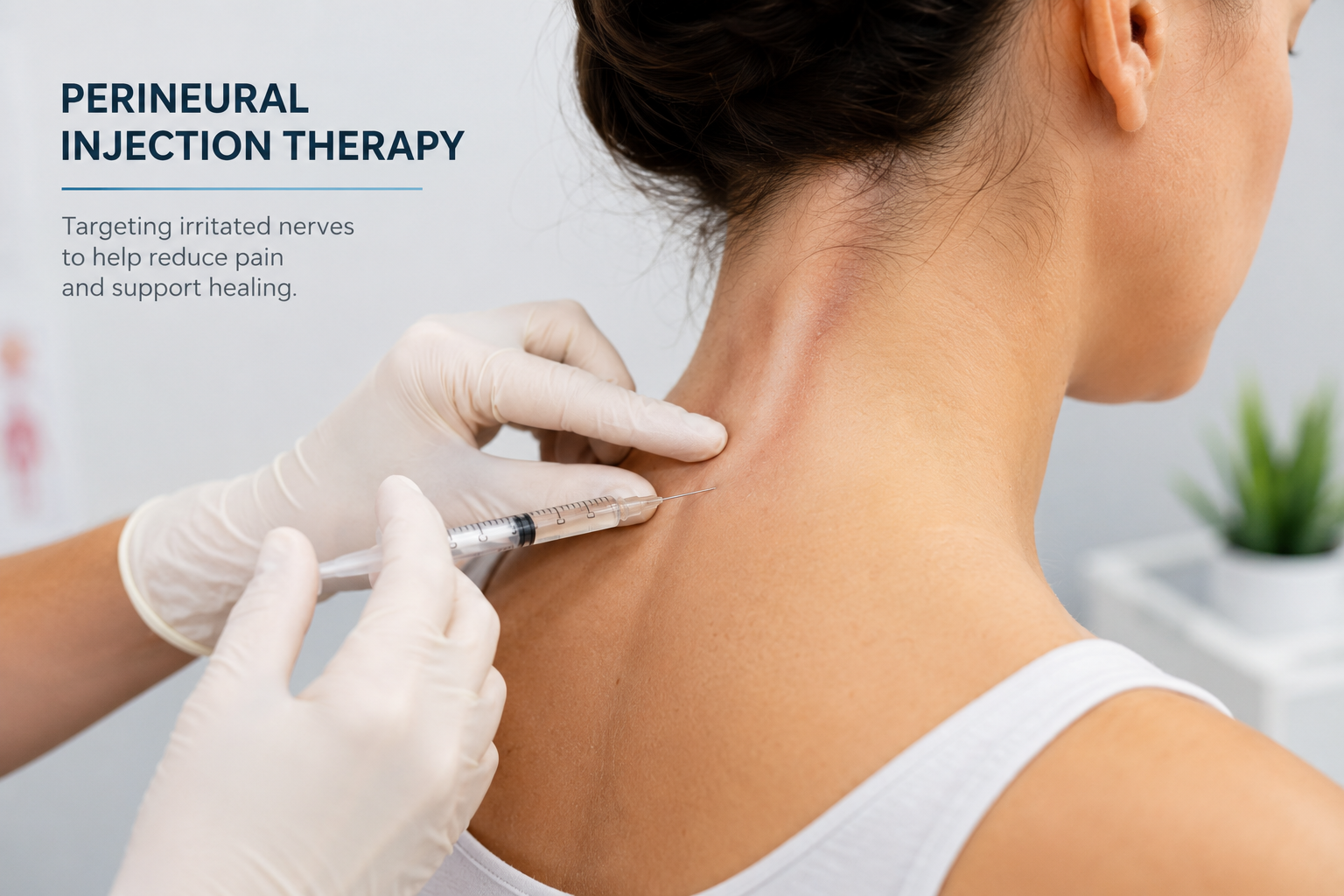
Patients are tired of pills that mask pain instead of fixing it. More of them are walking into clinics asking for something gentler, something that works with the body instead of against it. That shift is exactly why perineural injection therapy training has become one of the most talked-about additions to modern pain-care practices.
Perineural injection therapy is a simple injection method that calms irritated nerves just under the skin. It uses a mild dextrose solution instead of drugs, and many patients feel relief the same day they're treated. For a provider, that kind of result is hard to ignore.
This is why perineural injection therapy training matters right now. It's not just another certificate to hang on the wall. It's a practical skill that answers a real gap in patient care, and it's one that a growing number of providers are choosing to learn through Learn Neural Therapy.
What is Perineural Injection Therapy?
Perineural injection therapy targets small nerves that sit close to the skin's surface. When these nerves get irritated, they send out pain signals that can last for weeks or even years. A trained provider injects a low-dose dextrose solution around the nerve, which helps calm that irritation down.
The technique traces back to Dr. John Lyftogt, a physician from New Zealand who developed this dextrose-based approach after years of studying prolotherapy. His method turned out to be gentler and faster to learn than older regenerative techniques, which is part of why it spread so quickly among naturopathic doctors, chiropractors, and other clinicians.
How PIT Differs from Traditional Injections?
Most people picture injections going deep into muscle or joint tissue. PIT works differently. The needle stays shallow, right under the skin, where it can reach the nerve endings directly. This makes the treatment quicker to perform and easier on the patient, with far less discomfort than deeper injection methods.
Why Practitioners Are Seeking PIT Injection Training?
Ask any clinician who has added this technique to their practice, and they'll likely tell you the same thing: patients started asking for it before they even offered it.
Growing Patient Demand for Drug-Free Pain Relief
People are more cautious about opioids and long-term medication use than they were a decade ago. Chronic pain affects 20.4% of adults in the U.S. Many are actively searching for treatments that don't involve pills, surgery, or long recovery times. Perineural injection therapy fits that search perfectly, since it's minimally invasive and produces results that patients can feel almost immediately.
The Gap in Conventional Medical Training
Most medical and naturopathic programs spend very little time on neural or regenerative injection techniques. Providers graduate without ever touching a syringe used for nerve-based treatment. That gap leaves a real opening, and dedicated PIT injection training is how many clinicians choose to fill it.
Treating Conditions Unresponsive to Standard Care
Chronic low back pain, nerve-related pain, and stubborn soft tissue injuries don't always respond to standard treatment plans. A 2024/2025 PMC case report continues to document PIT as a potential treatment option for chronic pain after surgery. Perineural injection therapy training gives providers another route to try when the usual options fall short.
Beyond the table, there's something simpler at play. Providers who complete this training say their patients stay loyal longer, because they finally found something that works. That kind of trust is hard to build any other way.
Core Benefits of Perineural Injection Therapy Training
The appeal of this training goes beyond just learning a new skill. It changes what a practice suggests and how patients respond to it.
| Technique | Injection Depth |
Substance Used | Typical Use Case |
|---|---|---|---|
| Perineural Injection Therapy (PIT) |
Shallow, subcutaneous |
Low-dose dextrose |
Nerve irritation, chronic pain |
| Prolotherapy |
Deeper, ligament/joint |
Dextrose solution |
Joint instability, ligament laxity |
| PRP (Platelet-Rich Plasma) |
Deep, tissue-specific |
Patient's own blood plasma |
Tendon and soft tissue repair |
| Neural Therapy |
Variable, nerve-targeted |
Procaine |
Systemic pain, organ-related issues |
Perineural Injection Therapy vs. Other Regenerative Techniques
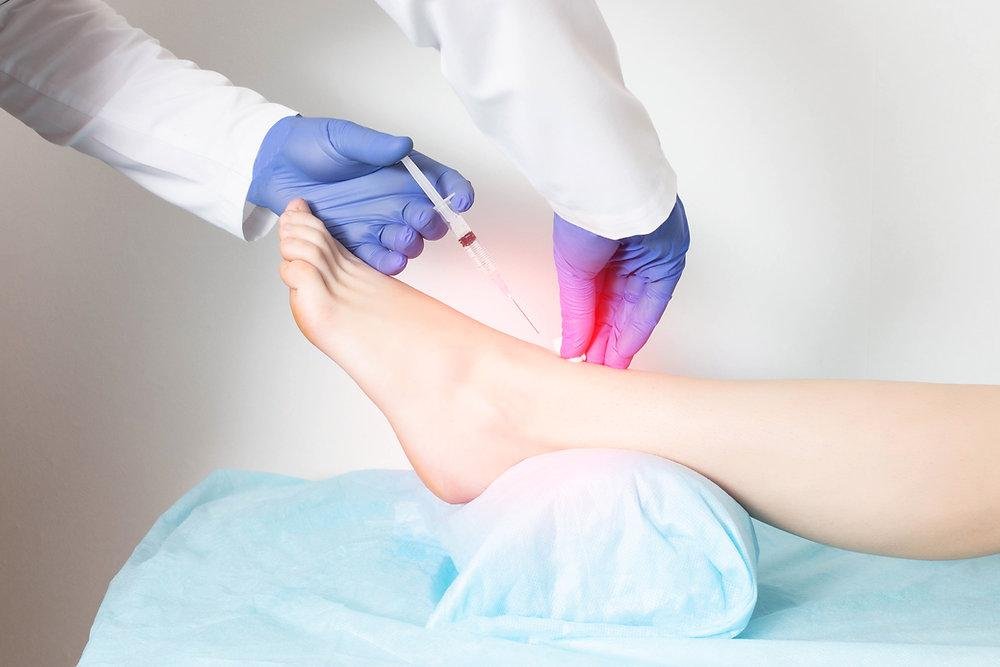
It helps to see how PIT stacks up against other options in the regenerative injection therapy world.
| Technique | Injection Depth | Substance Used | Typical Use Case |
|---|---|---|---|
| Perineural Injection Therapy (PIT) | Shallow, subcutaneous | Low-dose dextrose | Nerve irritation, chronic pain |
| Prolotherapy | Deeper, ligament/joint | Dextrose solution | Joint instability, ligament laxity |
| PRP (Platelet-Rich Plasma) | Deep, tissue-specific | Patient's own blood plasma | Tendon and soft tissue repair |
| Neural Therapy | Variable, nerve-targeted | Procaine | Systemic pain, organ-related issues |
PIT sits in a unique spot. A 2025 review and analysis found that injecting dextrose helps relieve pain and improve function in people with entrapment neuropathies. Moreover it's simpler to learn than deeper regenerative injection therapy methods, yet it still delivers results that patients notice right away. That combination is exactly why so many providers treat it as their entry point into regenerative care.
What a PIT Injection Training Program Typically Covers
A solid training program builds skill in layers, starting with the basics and moving toward more advanced, region-specific work.
Foundational Curriculum (Level 1)
Beginner-level courses walk through nerve anatomy, the physiology behind dextrose injections, and core safety protocols. Students also get hands-on practice time, which matters far more than reading about the technique ever could.
Advanced & Specialty Applications
Once the basics are solid, advanced courses cover ganglion injections and region-specific workshops, such as upper extremity versus lower extremity treatment.
These sessions dig into more complex pain patterns, including hip, pelvic, and low back conditions.
Practice Integration
Good training doesn't stop at technique. It also covers the practical side: consent forms, billing codes, pricing structure, and what equipment to order. This is the part that turns a new skill into an actual service patients can book.
Who Should Take Perineural Injection Therapy Training
This training isn't limited to one type of provider. It works for:
Naturopathic doctors
Medical doctors and doctors of osteopathy
Chiropractors
Acupuncturists
Nurse practitioners and physician assistants
No prior neural therapy background is required. Beginner courses are built for complete newcomers, and many programs are CE-eligible, including NANCEAC and NCCAOM credit for licensed providers.
What Practitioners Say After Training
Clinicians who've gone through PIT injection training tend to describe the same three things: confidence, clarity, and quick results. Many mention how organized and hands-on the instruction felt, and how quickly they were able to use the technique once they returned to their own clinic. Others point to the instructors themselves, noting how their real clinical experience made complex material easier to absorb. A few describe feeling nervous walking in and leaving with real, practical skill by the end of the weekend.
Choosing the Right Training Program
Not all training programs are built the same way, so it's worth knowing what to look for.
Instructor Expertise & Clinical Background
Look for instructors who actively practice what they teach. Real clinical experience shows up in the small details, like how they troubleshoot tricky cases or explain why a technique works the way it does.
Hands-On vs. Purely Online Options
Online modules are convenient, but injection therapy is a physical skill. Programs that combine live, hands-on practice with supervised feedback tend to produce more confident providers than video-only courses.
Course Structure, Levels & Prerequisites
A clear path from Level 1 through advanced specialty classes helps providers build skill gradually instead of jumping into complex techniques too soon.
Post-Course Support & Resources
The best programs don't end when the weekend does. Look for access to reference material, follow-up guidance, or a community of past students to lean on as questions come up in real patient cases.
If you're ready to explore this path, Learn Neural Therapy provides both Level 1 and Level 2 in-person classes, along with region-specific perineural injection therapy workshops, so you can build your skills step by step.
In Closing,
Perineural injection therapy training gives providers a practical, low-barrier way to give patients something they're already asking for: fast, drug-free relief from pain that hasn't responded to anything else. It strengthens patient trust, fills a real gap left by conventional medical education, and opens the door to broader regenerative injection therapy work down the road.
If you're ready to bring this skill into your practice, Learn Neural Therapy can help you get there. Explore the upcoming class schedule and reserve your spot in the next available workshop, or reach out with any questions before you enroll.
FAQs
Is perineural injection therapy training available online?
Yes. Many programs offer both in-person hands-on workshops and self-paced online modules, so practitioners can choose the format that fits their schedule.
What is the difference between perineural injection therapy and prolotherapy?
PIT uses shallow, subcutaneous dextrose injections to target superficial nerves and calm irritation. While, prolotherapy typically targets deeper structures like ligaments and joints. PIT is considered a gentler, more accessible entry point into regenerative injection therapy.
Is perineural injection therapy safe to learn and practice?
Yes, when taught correctly. Training emphasizes safety protocols, correct anatomy, and supervised hands-on practice so practitioners can perform injections confidently and safely.
Can perineural injection therapy be added to an existing practice easily?
Yes. It requires minimal equipment and relatively short training time, making it a low-barrier addition, especially when paired with practice-building guidance from training programs.