
Perineural Injection Therapy: A Natural Approach to Lasting Pain Relief
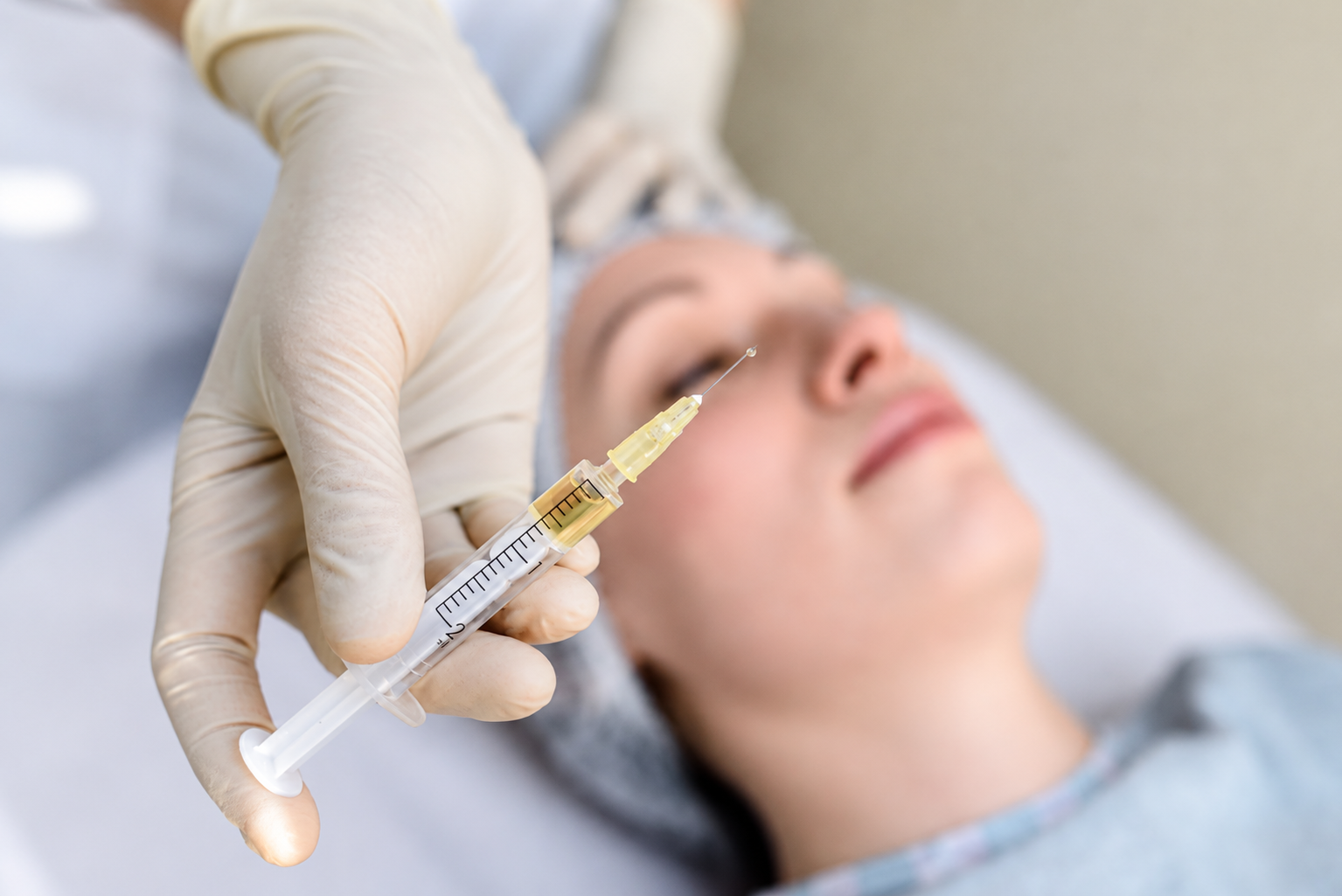
Picture this: you've tried the heating pads, the painkillers, maybe even a round or two of physical therapy. The pain fades for a bit, then creeps right back. If that sounds familiar, you're not alone and you're also not out of options. There's a gentler, nerve-focused treatment quietly changing how people manage chronic pain, and it doesn't involve surgery or a lifetime supply of pills. It's called Perineural Injection Therapy, and it might be the missing piece in your pain relief plan.
At Learn Neural Therapy, this approach sits at the heart of what practitioners are trained to do; help the body calm down, heal, and stop sending pain signals that no longer serve a purpose. Let's break down what Perineural Injection Therapy actually is, how it works, and why so many patients and providers are paying attention to it.
What Is Perineural Injection Therapy?
Perineural Injection Therapy, shortened to PIT, is a treatment where a very fine needle delivers a small amount of dilute local anesthetic (usually procaine) near irritated peripheral nerves just under the skin. That's really it. No scalpel, no long recovery, no heavy medication.
This is different from the injections most people picture when they think of pain treatment. Cortisone shots and steroid injections work by reducing inflammation in a joint or muscle. A perineural injection works on the nerve itself, aiming to calm down nerves that have become overly sensitive or "stuck" in a pain signal loop.
How Perineural Injection Differs from Traditional Pain Injections
Traditional injections chase the swelling. Perineural injection therapy chases the source: irritated nerves that keep firing pain signals long after an injury has technically healed. Because the anesthetic used is dilute and the doses are small, side effects are rare, and most patients feel little more than a quick pinch during treatment.
A 2025 study showed that for mild to moderate carpal tunnel syndrome, 5% dextrose injections around the nerve gave better and longer pain relief than corticosteroid injections after 24 weeks.
How Perineural Injection Therapy Works
To understand why this treatment works, it helps to know a little about how nerves behave. Every nerve cell in your body holds an electrical charge when it's resting. Doctors call this the resting membrane potential. When a nerve is healthy, that charge stays steady. But after an injury, surgery, or ongoing inflammation, that charge can shift, and the nerve starts misfiring, sending pain signals even when there's nothing left to protect.
A neural therapy injection introduces a tiny dose of anesthetic right next to these overactive nerves. This helps reset the nerve's electrical charge back toward normal. Once the nerve stops misfiring, the constant pain signal quiets down, sometimes for good.
The Science Behind Lasting Relief
Here's the part that surprises most people: the anesthetic used in a neural therapy injection wears off within a couple of hours. Yet many patients report pain relief that lasts weeks, months, or longer. That's because the goal was never to numb the pain temporarily.
The treatment gives the nerve a chance to reset itself, and once that happens, the body's own healing process can take over. It's less like flipping off a switch and more like rebooting a system that got stuck.
Conditions Perineural Injection Therapy Can Help With
Because this treatment works directly with the nervous system, it can help with a surprisingly wide range of pain conditions; not just the obvious ones like back pain or sore joints.
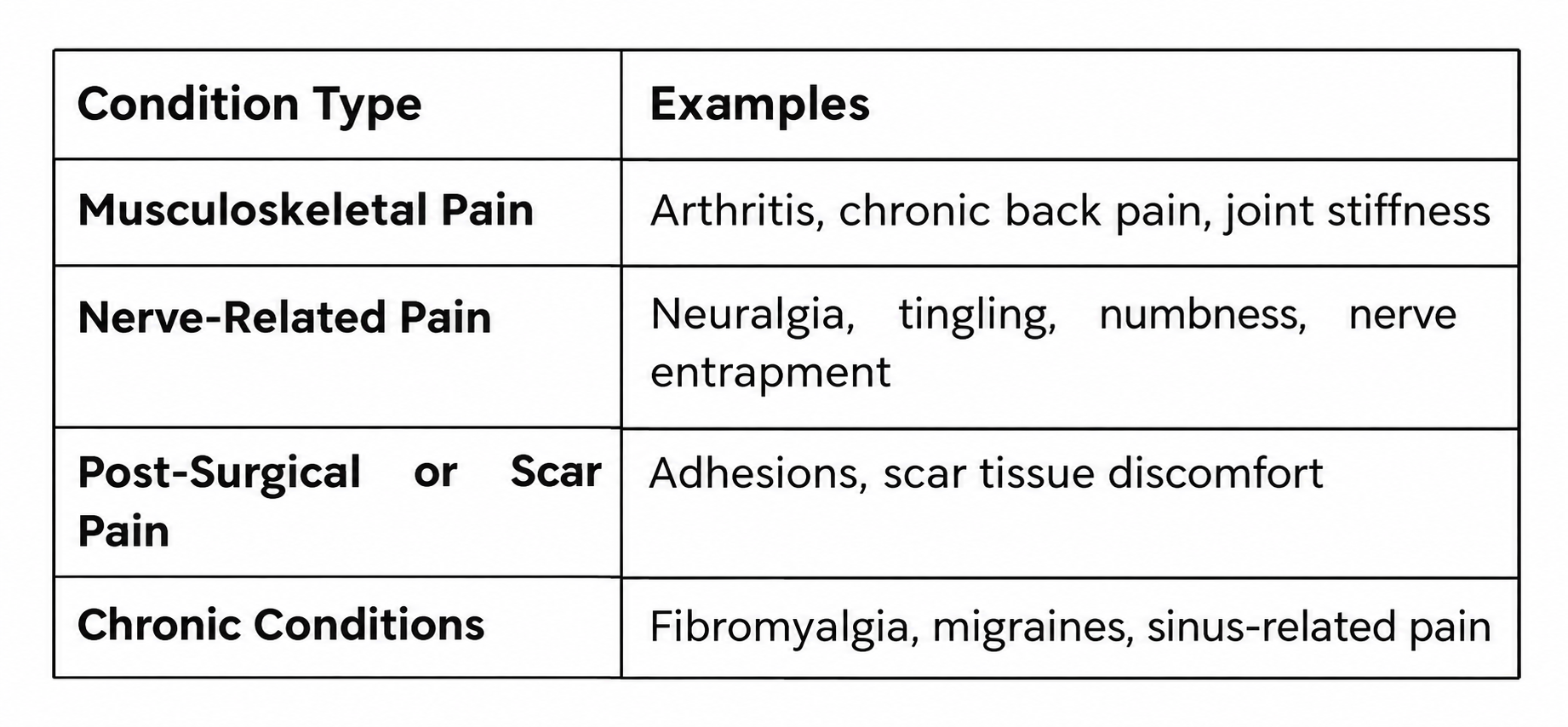
Patients dealing with old injuries that "never quite healed right" find this treatment especially helpful, since scar tissue and old trauma sites are common triggers for ongoing nerve irritation.
Why Choose a Natural Approach to Pain Relief?
Pain medication can help in the short term, but it comes with trade-offs: upset stomachs, grogginess, and for some, the risk of dependency. Surgery brings its own risks and a recovery period that can stretch for weeks or months. Research from 2024 shows that about 10% of adults using prescription opioids for chronic pain become dependent or develop opioid use disorder. Additionally, nearly one-third of these adults show signs of dependence.
Perineural injection therapy skips both of those routes. There's no need to go under anesthesia, no incision, and no long list of side effects to worry about. Instead, the treatment works with the body's own systems, encouraging nerves to heal rather than forcing symptoms into hiding. For people who've felt stuck between "take another pill" and "schedule surgery," this middle path offers something genuinely different.
What to Expect During a Perineural Injection Treatment
A typical session starts with a conversation. The provider asks about your pain history, where it started, and what makes it better or worse. From there, they identify the nerve areas linked to your symptoms and administer a series of small injections just under the skin.
Most people describe the sensation as a light sting, nothing close to what they expected. Sessions usually take less than 30 minutes, and there's no real downtime afterward; you can typically return to your normal day right away.
How many sessions you'll need depends on how long you've been dealing with the pain and how your body responds. Some patients notice a difference after the very first visit. Others need a short series of treatments spaced a week or two apart before the relief really sets in.
Finding Qualified Neural Therapy Specialists
Like any injection-based treatment, results depend heavily on the skill of the person holding the needle. Nerve anatomy is detailed, and proper technique matters; both for safety and for getting results that actually last. This is why it's worth taking the time to find neural therapy specialists who've completed real, hands-on training rather than a quick online certificate.
Learn Neural Therapy trains licensed providers, including naturopathic doctors, chiropractors, nurse practitioners, medical doctors, and acupuncturists, through in-depth coursework covering nerve anatomy, injection safety, and real clinical scenarios.
If you're a patient searching for care, look for a provider trained through a recognized program like this one, so you know the hands guiding that needle actually know what they're doing.
Interested in Becoming a Neural Therapy Specialist?
If you're a healthcare provider reading this and thinking, "I'd like to offer this to my own patients," you're exactly who this training was built for. Learn Neural Therapy provides both in-person and virtual classes, ranging from foundational courses to advanced, region-specific perineural injection techniques covering the upper and lower extremities.
Classes cover far more than just the injections themselves. You'll learn the anatomy behind each treatment area, the physiology of procaine, how to talk to patients about consent, and even how billing works for these services. Whether you're brand new to injection therapy or looking to expand an existing practice, there's a class built for where you're starting from.
Conclusion: A Natural Path to Long-Term Pain Relief
Chronic pain doesn't have to mean a lifetime of pills or a long recovery from surgery. Perineural Injection Therapy is a gentler way forward, one that works with your nervous system instead of just muting your symptoms.
No matter if you're a patient looking for real relief or a provider ready to bring this treatment into your practice, Learn Neural Therapy is a solid place to start that journey. Explore the classes, find a trained provider, or simply reach out with your questions; lasting relief might be closer than you think.
FAQs
Is Perineural Injection Therapy painful?
Not really. Most patients describe it as a quick, light sting rather than sharp pain. The needles used are very fine, and the injections sit just under the skin.
How many sessions are needed for lasting pain relief?
It depends on the person and how long the pain has been around. Some feel better after one visit. Others need a handful of sessions spaced a week or two apart to see lasting change.
Is this treatment safe?
Yes, when it's done by a trained provider. The anesthetic used is dilute, doses are small, and side effects are uncommon. Safety really comes down to proper training and technique.
How is perineural injection therapy different from neural therapy overall?
Neural therapy is the broader approach, focused on treating the autonomic nervous system through injections near nerves, scars, and ganglia. Perineural injection therapy is a specific technique within that approach, focused mainly on peripheral nerves in areas like the arms, legs, back, and hips.
Who is allowed to perform these injections?
Any licensed provider with an injection scope of practice, such as a naturopathic doctor, chiropractor, medical doctor, or acupuncturist, can perform perineural injections, as long as they've completed proper training in the technique.