
Perineural Injection Therapy: A Gentle, Effective Treatment for Nerve Pain & Neuropathy
Picture pulling on a soft sock and feeling it scrape like sandpaper. Or waking up with hands so tingly that you drop your coffee mug. For people with nerve pain, days like that are normal. Pills help some of them. Many others keep hurting anyway.
Perineural injection therapy takes a different route. A trained clinician places tiny, shallow shots next to irritated nerves to help them settle down. At Learn Neural Therapy, we teach healthcare providers how to do this work. Patients keep asking us the same thing: does it really help? This guide gives a straight answer, including what research shows and what it doesn't.
What Is Perineural Injection Therapy?
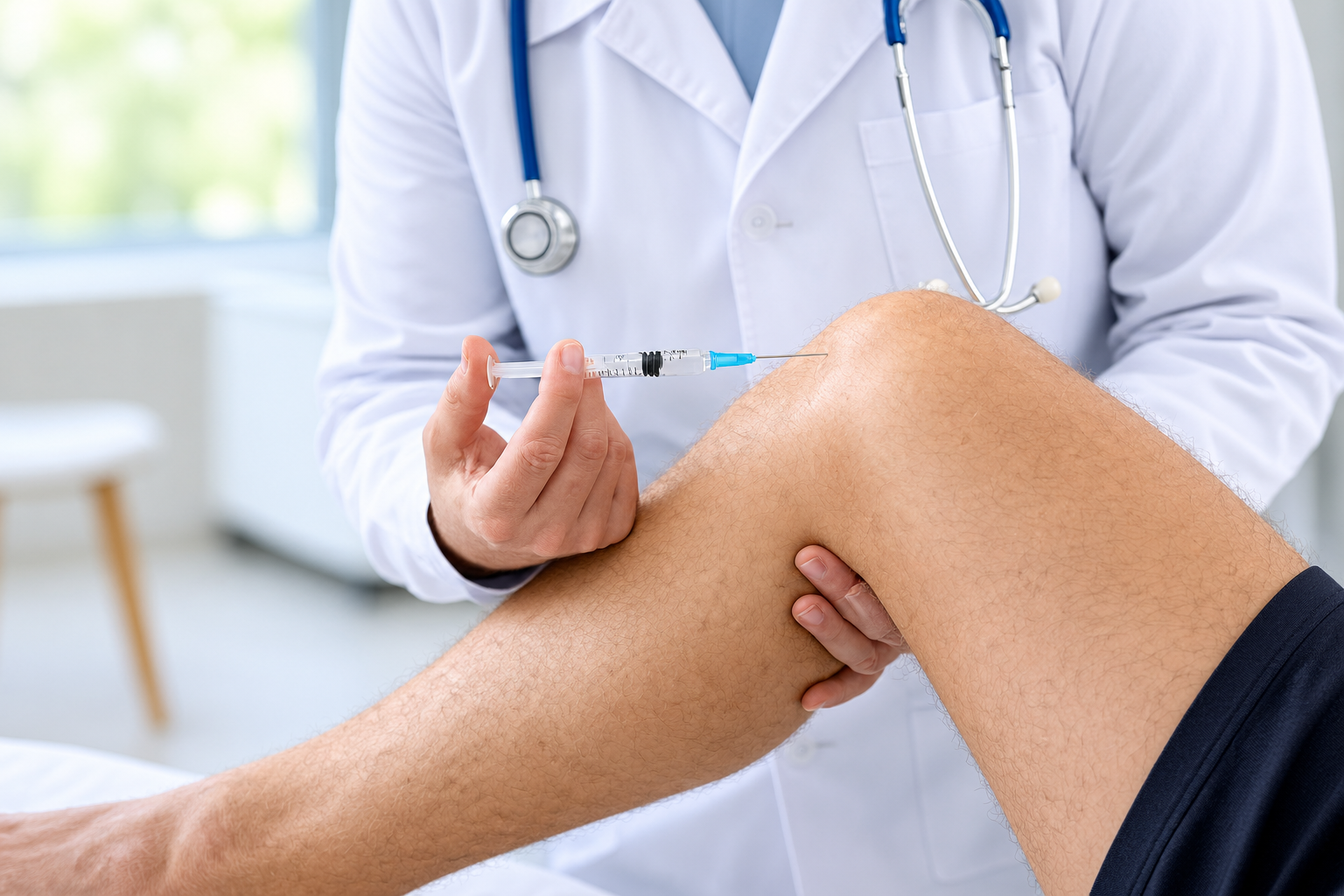
Perineural injection therapy, or PIT, treats nerve pain with tiny shots placed just under the skin. "Perineural" means "around a nerve." So the clinician puts a small amount of liquid beside a sore nerve, not inside it. The needle is thin, and the shot stays shallow. That's why many people call this approach gentle.
The method was shaped by Dr. John Lyftogt, a physician in New Zealand. In his version, the liquid is usually 5% dextrose, a mild sugar water. Perineural injection therapy uses low-concentration dextrose placed next to peripheral nerves to treat nerve pain. It does not rely on steroids.
How a Perineural Injection Differs From a Nerve Block
A regular nerve block sends numbing medicine near a nerve to switch pain off for a few hours. A perineural injection used in PIT works differently. It stays close to the skin and aims to calm the irritated nerve itself. That is why relief tends to build over several visits instead of vanishing when the shot wears off.
Where Neural Injection Therapy Fits In
PIT belongs to a bigger family called neural therapy. Many neural therapy practitioners use procaine, a numbing medicine, and aim it at scars, nerves, and nerve clusters called ganglia. Both paths share one goal: quiet the nerves that keep sending the wrong messages.
Neural injection therapy sits beside a few other injection options, so here is how they compare at a glance:
Perineural injection therapy: It usually uses 5% dextrose. The shots go just under the skin, near sensory nerves. The main goal is to calm irritated nerves.
Neural therapy: It uses procaine. The shots go into scars, nerves, and ganglia. The main goal is to steady nerve signals.
Prolotherapy: It uses a stronger dextrose solution. The shots go into ligaments, tendons, and joints. The main goal is to support injured joint tissue.
Steroid injection: It uses a corticosteroid. The shot goes into a joint or around a nerve. The main goal is to reduce swelling in the short term.
Why Nerves Hurt & How Neural Therapy Injections May Help
Angry Nerves Send Loud Signals
After an injury, surgery, or long-term pressure, a nerve can become inflamed. Then it fires pain messages even when nothing new is wrong. Light touch may burn. Skin may feel numb in one spot and raw in the next. Scars can cause the same trouble because they tug on the nerves around them.
What the Shots May Be Doing
Researchers think dextrose calms nerve inflammation and helps stressed nerve cells recover. In neural therapy, the idea is that procaine steadies the electrical charge across the nerve cell wall. These are working theories, and scientists are still testing them. That's why we say "may" here.
Which Nerve Pain & Neuropathy Conditions Can It Help?
Pinched Nerves
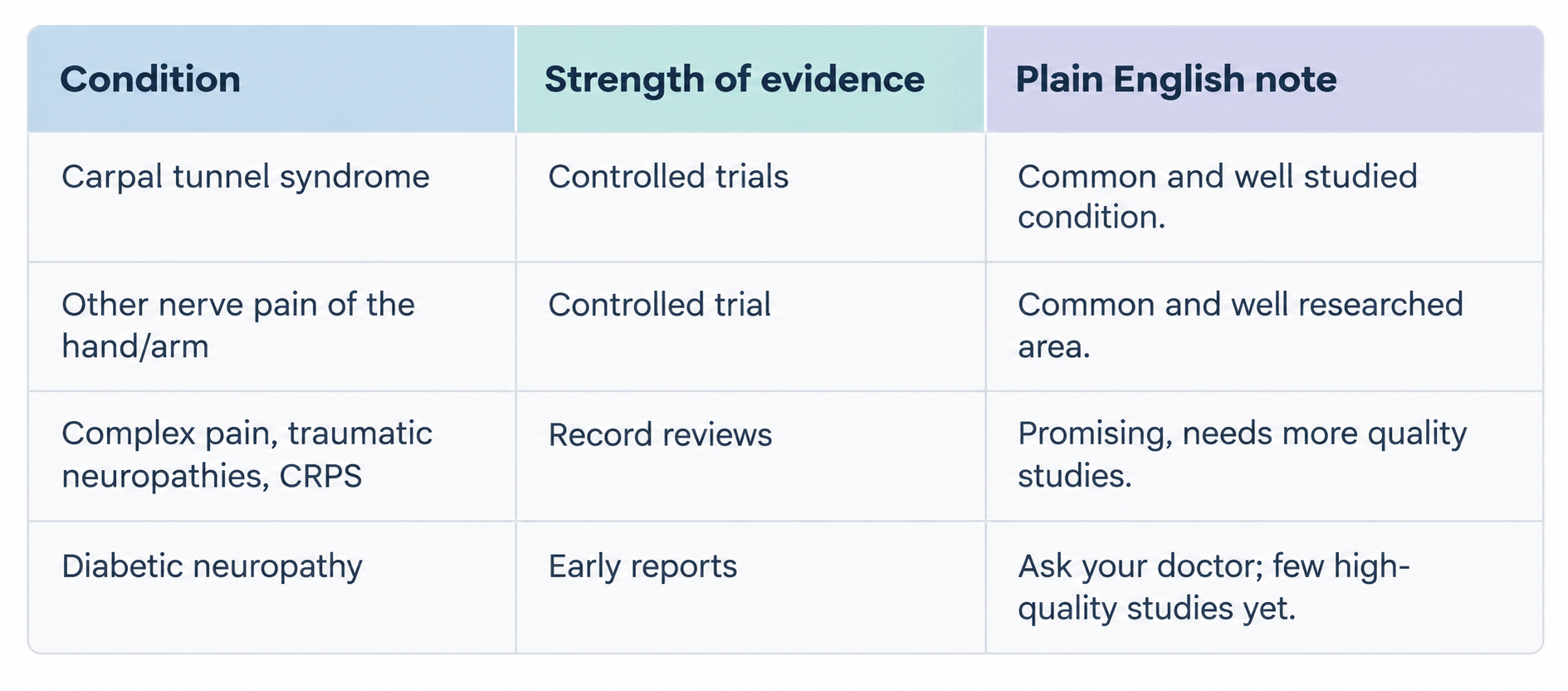
This is where the best proof sits. Double-blind trials found that 5% dextrose injected near the nerve helped carpal tunnel syndrome and ulnar nerve pain at the elbow, with results equal to or better than steroid shots.
Scar Pain & Nerve-Pain Syndromes
Clinicians also use PIT for pain along surgical scars, shingles pain, trigeminal neuralgia, and complex regional pain syndrome (CRPS). One look back at patient records covering these problems found no major side effects, only a few bruises where the needle went in.
Peripheral and Diabetic Neuropathy
Be careful with big promises here. A trial of 60 adults with diabetic nerve damage found that shots of platelet-rich plasma near the nerves eased pain and numbness. That's a blood-based product, not dextrose. Research on dextrose-based perineural injection therapy for diabetic neuropathy is still young, so ask your doctor what fits your case.
What Happens During a Session?
Before You Arrive
Your clinician checks where it hurts and traces the nerves that run through that area. Some clinics say patients have no medication restrictions. Still, check with your own provider first.
During the Visit
Expect a thin needle and a quick sting at each spot. Perineural injection therapy visits are short, often 15 to 30 minutes. The same goes for neural therapy injections with procaine: the shots are small and the visit moves fast.
Afterward
Some soreness or a bruise is common. A few people report more pain at first before things improve, so ask your clinician what to expect.
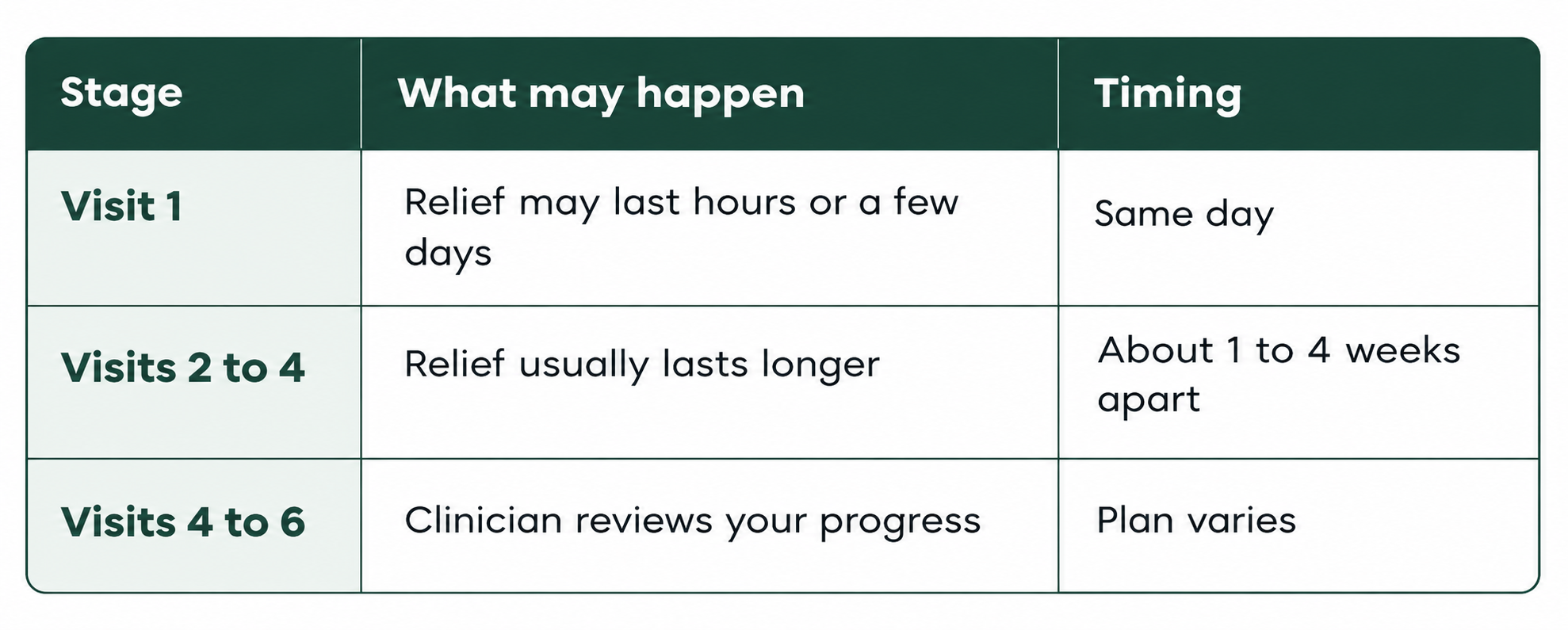
Many practitioners plan four to six treatments, spaced about a week to four weeks apart. Your plan may be shorter or longer.
Does Perineural Injection Therapy Really Work? An Honest Look
What the Research Supports
The strongest evidence is for pinched-nerve problems like carpal tunnel and ulnar neuropathy, as shown above.
What Isn't Proven Yet
No double-blind trials have tested dextrose near the nerve for pain conditions beyond those two. Also, one study of numbing medicine plus steroids found no added pain relief for nerve pain from injury or pressure. That recipe is different from PIT, but it shows why results vary by method and by person.
Who Should Wait
Skip treatment if you have an infection near the injection site, or if you're pregnant or nursing. Anyone with uncontrolled health problems should talk with their doctor first.
How to Choose Qualified Neural Therapy Practitioners
Questions to Ask Before You Book
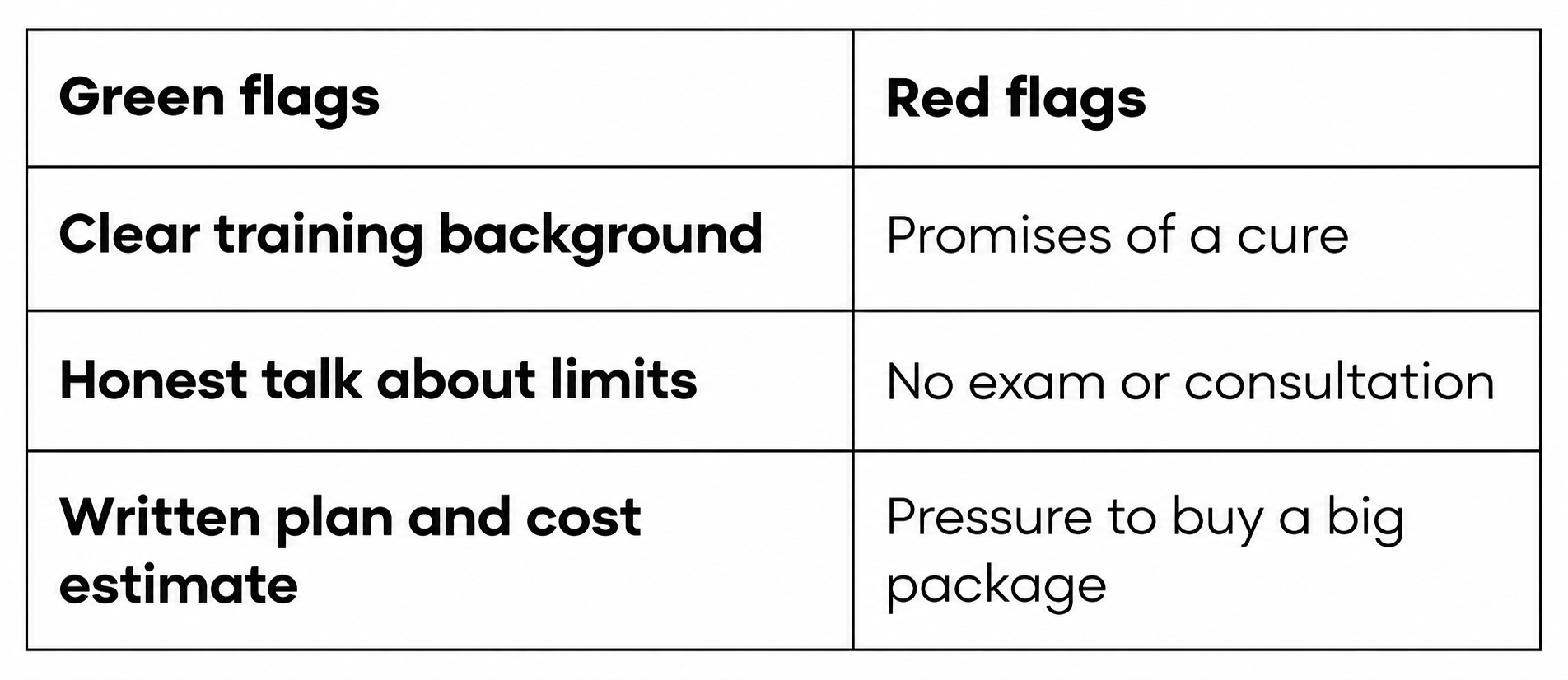
Ask any clinician who offers perineural injection therapy where they trained, how many nerves they treat per visit, how many visits they expect, and what happens if you don't improve. Good clinicians answer without rushing you.
What Affects Cost
Price usually depends on how many nerves are treated and how tricky the problem is. Ask for a written estimate before you start.
Find a Provider
Our site has a ‘Find a Provider’ section to help you start your search.
For Clinicians: Add Perineural Injection Therapy to Your Practice
If you hold an injection scope of practice, you can learn this. Our neural injection therapy classes welcome physicians, naturopathic doctors, nurse practitioners, chiropractors, acupuncturists, and dentists. In-person options include Level 1, Level 2, and two PIT classes: upper body and lower body. Virtual classes cover Levels 1 and 2. Dr. Anne Hill, ND, and Dr. Ilana Gurevich, ND, LAc, teach anatomy, procaine physiology, consent forms, and billing. That makes it easier for new neural therapy practitioners to start safely.
Take the Next Step
Nerve pain shouldn't run your life. Perineural injection therapy gives many people a gentle option worth discussing with a trained provider. If you're a patient, use our Find a Provider page. If you're a clinician, join a class with Learn Neural Therapy and bring neural injection therapy skills to your practice. View Classes at Learn Neural Therapy!
FAQs
Is perineural injection therapy painful?
Most people feel a quick sting from a thin needle. Some feel sore afterward.
How many sessions will I need?
Many plans include four to six visits, but the number depends on your condition.
Can it help diabetic neuropathy?
Early reports exist, but proof is still limited. Talk with your doctor.
Is perineural injection therapy the same as neural therapy?
They're cousins. PIT usually uses dextrose near skin nerves, while neural therapy uses procaine in scars, nerves, and ganglia.
Will insurance cover it?
Coverage varies. Ask the clinic and your insurer before booking.
How soon will I feel relief?
Some people feel relief after one visit, though it can fade at first and build with more.